Full Mouth Dental Implants Cost: Your Comprehensive Guide to Investment and Value
Understanding Full Mouth Dental Implants: More Than Just a Pretty Smile
So, you're considering full mouth dental implants, huh? I totally get it. It’s a big decision, and naturally, one of the first things on your mind is probably, "How much is this actually going to cost me?" It's a completely valid question, and honestly, there's no single, simple answer. But don't sweat it too much; I'm here to help you navigate the complexities of full mouth dental implant pricing, so you can make a super informed decision for your health and your wallet.
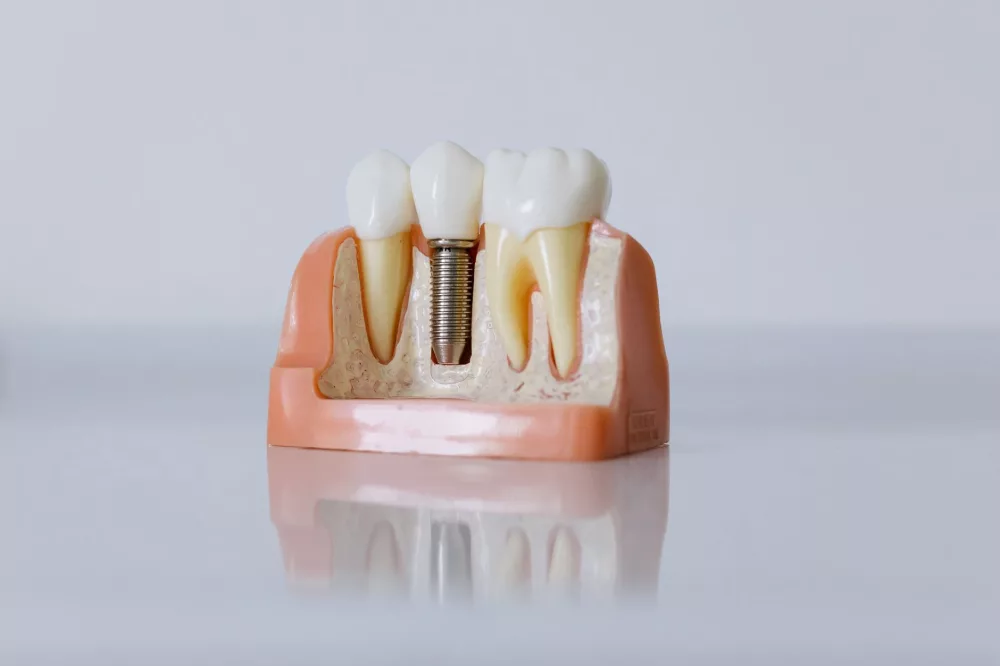
First off, let's quickly touch on what full mouth dental implants are. We're talking about a complete rehabilitation of your smile, replacing all or most of your natural teeth with a set of permanent, artificial teeth that are anchored directly into your jawbone. This isn't just about aesthetics; it's about restoring your ability to chew, speak clearly, and genuinely improving your quality of life. Unlike traditional dentures, implants feel, look, and function just like your natural teeth. Pretty cool, right?
What Influences the Price Tag? The Many Variables at Play
When we talk about the cost of full mouth dental implants, it's not like buying a car where a base model has a fixed price. Think of it more like building a custom home. Many different components and services go into the final figure. Let me walk you through the big ones.
The Type of Implant System: All-on-4 vs. Traditional vs. Zygomatic
This is probably the biggest factor influencing the cost. There isn't just one way to do full mouth implants, and the technique your dentist recommends will have a massive impact on the price.
- All-on-4® Dental Implants: This is a popular option, and for good reason! With All-on-4, we typically use just four strategically placed dental implants per arch (upper or lower) to support a full set of fixed prosthetic teeth. It’s often a quicker process and can be a more affordable full-arch solution compared to traditional methods because it requires fewer implants. You might be looking at a range from, say, $20,000 to $30,000 per arch, sometimes more, depending on where you are and what materials are chosen. It’s efficient, and many folks love it.
- Traditional Full Mouth Implants: This approach usually involves placing 6-8 (or even more) individual implants per arch. Each implant acts like the root of a single tooth, and then individual crowns or a fixed bridge are attached. This method often offers a higher degree of stability and can distribute chewing forces more evenly. Because it uses more implants and potentially more individual components, it generally comes with a higher price tag – think upwards of $30,000 to $50,000+ per arch.
- Zygomatic Implants: Now, this is for patients who've experienced significant bone loss in their upper jaw and can't go for traditional or even All-on-4 implants without extensive bone grafting. Zygomatic implants are longer and anchor into the cheekbone (zygoma) instead of the jawbone. These are highly specialized procedures, require a skilled surgeon, and are consequently among the most expensive options, often pushing into the $60,000-$100,000+ range for a full upper arch. It’s a complex solution, but it can be life-changing for some.
Material Choices for Your New Teeth
Once the implants are in place, we need to put the actual teeth on top! The materials used for your fixed bridge or individual crowns also play a significant role in the overall cost. Common options include:
- Acrylic/Composite with a Titanium Frame: Often used for an initial, temporary bridge, but sometimes as a permanent solution, especially with All-on-4. It's generally more affordable but can be prone to wear and staining over time.
- Zirconia: This is a fantastic, highly durable, and aesthetic material. Zirconia bridges are custom-milled and incredibly strong, offering a natural appearance and excellent longevity. Because of its superior qualities, it's a premium option and will increase the total cost.
- Porcelain Fused to Metal (PFM): Offers a good balance of strength and aesthetics, though modern all-ceramic options like zirconia often surpass it in appearance and sometimes durability.
Preparatory Procedures: Sometimes You Need a Little Extra Work
Before we can even think about placing implants, some patients need preliminary work done. These aren’t optional add-ons; they’re crucial for the success and longevity of your implants, and they absolutely add to the final bill.
- Bone Grafting: If you've been missing teeth for a while, your jawbone might not be dense enough to support implants. Bone grafting involves adding bone material to rebuild and strengthen the jaw. This can range from minor grafts to more extensive procedures like a sinus lift or ridge augmentation. Each type has its own cost, often starting from a few hundred to several thousand dollars per site.
- Tooth Extractions: If you have remaining damaged or diseased teeth that need to be removed, that's another cost to factor in. Simple extractions are less expensive than surgical ones.
- Treatment for Gum Disease: Active gum disease (periodontitis) must be treated and under control before implants can be placed. This might involve deep cleaning, scaling, and root planing, or even more advanced periodontal surgery.
Geographic Location: Where You Live Matters
Believe it or not, the cost of dental procedures can vary quite a bit depending on your geographic location. Just like housing prices, dental costs are often higher in major metropolitan areas or regions with a higher cost of living. A procedure in New York City or Los Angeles will likely cost more than the same procedure in a smaller town in, say, Oklahoma. This is just a fact of life for healthcare services.
The Dentist's Expertise and Clinic Reputation
You’re not just paying for materials; you’re paying for the skill, experience, and artistic touch of the dental team. Highly experienced oral surgeons or prosthodontists who specialize in complex implant cases, coupled with clinics that invest in state-of-the-art technology (like 3D imaging, guided surgery, etc.), will naturally charge more. But honestly, for something as significant as full mouth implants, investing in a highly reputable and experienced professional is totally worth it. It’s your smile, after all!
A Closer Look at the Numbers: What Can I Really Expect?
Okay, I know you want some hard numbers, and while I can't give you an exact quote (only a personalized consultation can do that!), I can give you some general ranges to prepare you. When we talk about "full mouth" implants, we often mean either a full upper arch, a full lower arch, or both.
For a single arch (either upper or lower) of All-on-4 dental implants, including the implants and the fixed prosthetic bridge, you're generally looking at a range of about $20,000 to $35,000+. If you need both upper and lower arches, that figure could easily double, putting you in the $40,000 to $70,000+ range.
For traditional full mouth implants (more implants, individual crowns/bridges), the cost per arch can start around $30,000 and go up to $50,000 or even $60,000+. For a full mouth (both arches), this means potentially $60,000 to $120,000+.
Remember, these ranges *typically include* the surgical placement of the implants, the abutments, and the final prosthetic teeth. However, they might not always include all preparatory procedures like extractions or bone grafting, which, as I mentioned, can add several thousands of dollars to the total. This is why getting a detailed, written quote is absolutely essential!
Is It Worth the Investment? Thinking Long-Term
When you see these numbers, it’s easy to feel a little overwhelmed. But I urge you to think about this as a long-term investment in your health, comfort, and confidence. Compare it to other options:
- Traditional Dentures: While much cheaper upfront (often a few thousand dollars), they come with ongoing costs like adhesives, cleaning solutions, and frequent adjustments or replacements (every 5-7 years). Plus, they can be uncomfortable, make eating difficult, and contribute to bone loss over time.
- Partial Dentures/Bridges: These replace fewer teeth but still have limitations and maintenance.
Dental implants, particularly full mouth options, are designed to last for decades, often a lifetime, with proper care. They prevent bone loss, maintain facial structure, allow you to eat whatever you want, speak clearly, and genuinely feel great about your smile. The value of that kind of stability and confidence is truly immeasurable, in my opinion.
Navigating the Payment: Insurance, Financing, and Other Options
Alright, so how do people actually pay for this? It’s a common concern, and thankfully, there are usually several pathways.
- Dental Insurance: Here's the kicker: most standard dental insurance plans offer very limited coverage for dental implants, often considering them a