Unlocking Your Digital Potential: A Deep Dive into Rent-to-Own Laptops
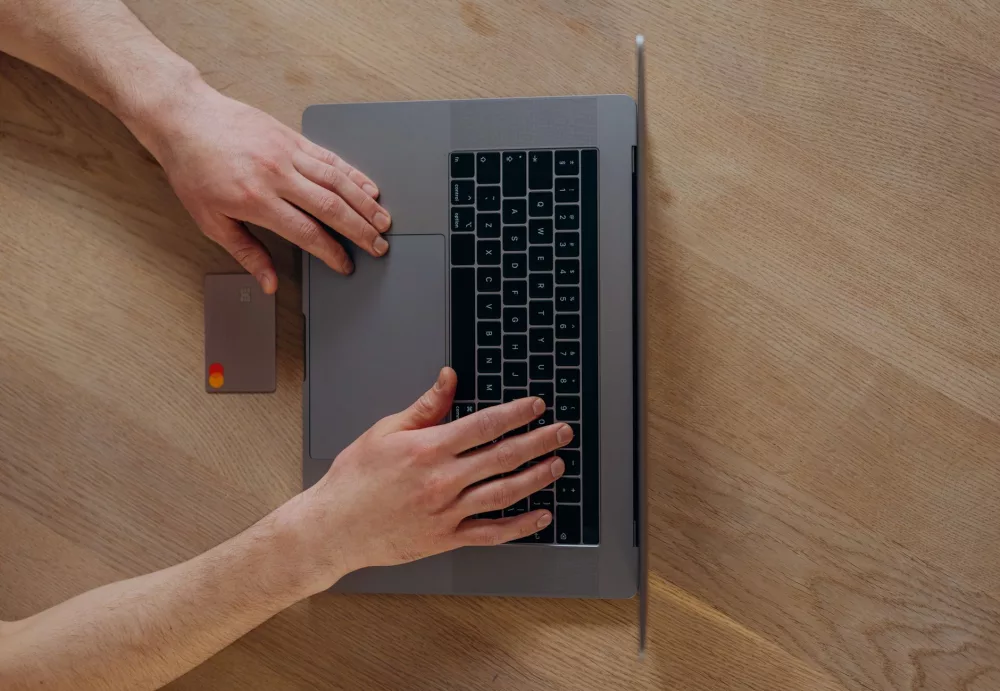
Hey there! If you're anything like me, you know how absolutely essential a good laptop is in today's world. Whether it's for work, school, creative projects, or just staying connected with friends and family, a reliable computer is often non-negotiable. But let's be real, top-tier laptops can carry a hefty price tag, and buying one outright isn't always feasible, especially if your credit history isn't sparkling or your budget is tight. That's where the idea of rent-to-own laptops often pops up, and it's something I want to explore with you today.
What Exactly is Rent-to-Own for Laptops?
So, what are we talking about here? Essentially, a rent-to-own arrangement lets you get your hands on a brand-new or sometimes used laptop without paying the full cost upfront. Instead, you make regular, typically weekly or monthly, payments over a set period. Think of it as a leasing agreement with an option to purchase. You're renting the item, and with each payment, you're building equity towards eventually owning it. If you complete all your payments, the laptop becomes yours. If you can't, or simply decide you don't want it anymore, you can usually return it, though you won't get back the money you've already paid.
It's a model that's been around for a while, particularly for furniture and appliances, and it's certainly made its way into the tech market. For many, it seems like a straightforward solution to an immediate need.
How Does This Arrangement Usually Work?
When you walk into a rent-to-own store or visit their website, the process generally looks something like this:
- Browse and Select: You choose the laptop you want from their available inventory. It might be a popular brand like HP, Dell, Lenovo, or even Apple.
- Application: You'll fill out an application. This typically involves providing personal information, income details, and references. The good news? These companies often focus less on your credit score and more on your ability to make regular payments. That's a big draw for folks with less-than-perfect credit.
- Agreement: If approved, you sign a rental agreement. This is where you'll see all the terms: the weekly or monthly payment amount, the total number of payments, the final purchase price, and any fees. This document is super important, and I can't stress enough how much you need to read every single word.
- Take It Home: Once the paperwork is done and maybe a small initial payment is made, you get to take your new laptop home!
- Make Payments: You'll then make scheduled payments. Many companies offer convenient options like automatic withdrawals or in-store payments.
- Ownership: After all payments are successfully made, the laptop is officially yours!
Who Should Consider Rent-to-Own Laptops?
I find that rent-to-own options primarily appeal to a specific group of people. If any of these sound like you, it might be worth a look:
- Those with Limited or Poor Credit: This is probably the biggest demographic. Traditional lenders or electronics stores often require a good credit score for financing. Rent-to-own providers are far more lenient, making it accessible.
- Individuals Needing a Laptop Immediately: Sometimes, life throws a curveball. Your old laptop dies, you start a new job requiring specific tech, or your child needs one for school right now. Rent-to-own offers quick access.
- People with Limited Upfront Cash: If you don't have hundreds or thousands of dollars to drop on a laptop right away but can manage smaller, regular payments, this model fits.
- Those Who Prefer Flexibility: Some people like the option to return the item if their circumstances change or if they find the laptop isn't quite right for them, without being locked into a long-term purchase.
The Bright Side: Advantages of Rent-to-Own
Okay, let's talk about why someone might genuinely opt for this:
Immediate Access, Minimal Hassle
You can often walk in and out with a laptop on the same day. This immediate gratification is a huge plus when you're in a pinch. The application process is usually quick and straightforward too.
Credit Isn't a Dealbreaker
As I mentioned, your credit score typically isn't the primary factor for approval. This opens doors for many who'd otherwise be shut out of financing options.
Manageable Payments
Breaking down a large purchase into smaller, regular payments can feel less daunting. It allows you to budget for a laptop without completely draining your savings or going into traditional debt.
Potential for Upgrades
Some rent-to-own companies offer programs where you can upgrade your device to a newer model after a certain period or a specific number of payments. This is pretty neat if you like having the latest tech.
The Other Side of the Coin: Disadvantages and What to Watch Out For
Now, let's get into the nitty-gritty. While rent-to-own can be a lifesaver for some, it's really important to understand its significant downsides. I've seen too many people get caught unaware.
The Higher Overall Cost
This is the big one. The convenience and low barrier to entry come at a price – usually a much higher one than if you bought the laptop outright. When you add up all those weekly or monthly payments, you'll often find you're paying 1.5, 2, or even 3 times the retail value of the laptop. It's essentially the cost of borrowing money without traditional interest rates, often disguised in the higher total price.
Longer Payment Terms
Because the payments are smaller, the payment period tends to be much longer. You could be paying for that laptop for 18 months, 24 months, or even longer. By the time you own it, the technology might already be a generation or two old.
No Ownership Until the End
Remember, until that very last payment is made, the laptop isn't technically yours. If you miss payments, the company can repossess the device. All the money you've paid up to that point? Gone. This is a crucial distinction from buying on credit where you usually own the item from day one, even if you owe money on it.
Limited Selection
Rent-to-own stores typically carry a more limited range of laptops compared to a large electronics retailer. You might not find that specific model or configuration you're dreaming of.
Hidden Fees and Penalties
Always, always, always ask about late payment fees, early termination fees, and any other charges. These can quickly inflate the total cost if you're not careful. Some agreements might also have clauses about damage or loss.
Credit Building? Not Always.
While rent-to-own doesn't typically require good credit, it often doesn't help build it either. Many rent-to-own companies don't report your payments to credit bureaus, which means paying on time won't improve your score. That's a missed opportunity if you're trying to establish or rebuild credit.
My Advice: Key Questions Before You Sign
If you're still considering rent-to-own, I'd strongly advise you to arm yourself with information. Here's what I'd ask:
- What is the total cost of ownership? Don't just look at the weekly payment. Multiply that by the number of weeks or months to get the grand total. Compare this to the retail price of the same laptop elsewhere.
- What are the payment terms? How long will I be paying?
- What happens if I miss a payment? Are there late fees? What's the grace period?
- What's the return policy? Can I return it without penalty if I change my mind within a certain timeframe?
- Is there an early purchase option? Can I pay it off early and get a discount on the remaining balance? This can save you a lot of money.
- What's covered under warranty? Is it the manufacturer's warranty, or is there an additional store warranty? What about damage or theft?
Alternatives to Consider
Before jumping into a rent-to-own agreement, it's worth exploring other avenues. I mean, we want to find the best possible deal for you, right?
Refurbished or Used Laptops
You can often find fantastic deals on refurbished laptops from reputable sellers like manufacturers themselves, Amazon Renewed, or Best Buy Outlet. These machines are often tested, cleaned, and come with a warranty. A slightly older model can save you a bundle.
Layaway Programs
Some stores still offer layaway, where you make payments over time, and once it's fully paid, you take the item home. You don't get immediate access, but you also don't pay extra fees or inflated prices.
Store Credit Cards (with caution!)
If you have decent credit, some electronics stores offer their own credit cards with promotional 0% APR periods. If you can pay off the laptop entirely before that period ends, it's essentially interest-free financing. But please, be incredibly careful here; if you don't pay it off, the interest rates can be sky-high, often retroactively.
Personal Loans
If your credit is good enough, a small personal loan from a bank or credit union might offer a much lower interest rate than the implied cost of a rent-to-own agreement.
Employer or Educational Programs
Sometimes, employers or educational institutions offer assistance programs or discounts for technology. It's always worth asking!
Saving Up
I know, I know, it's not the instant gratification everyone craves. But if you can wait a few months and save up, buying a laptop outright is almost always the most cost-effective option in the long run.
My Final Thoughts on Rent-to-Own
Look, I get it. Life happens, and sometimes you need something now. Rent-to-own laptops can be a viable option for folks who genuinely have no other way to access essential technology. It provides a pathway when traditional financing isn't available. However, my strong recommendation is to view it as a last resort. Always, always, always calculate the total cost, read the agreement thoroughly, and explore all other alternatives first. If you do proceed, use an early purchase option if available to significantly reduce your overall expense. Your future self will thank you for doing your homework!