The Tesla Cybertruck: An Unfiltered Deep Dive into the Future of Pickups
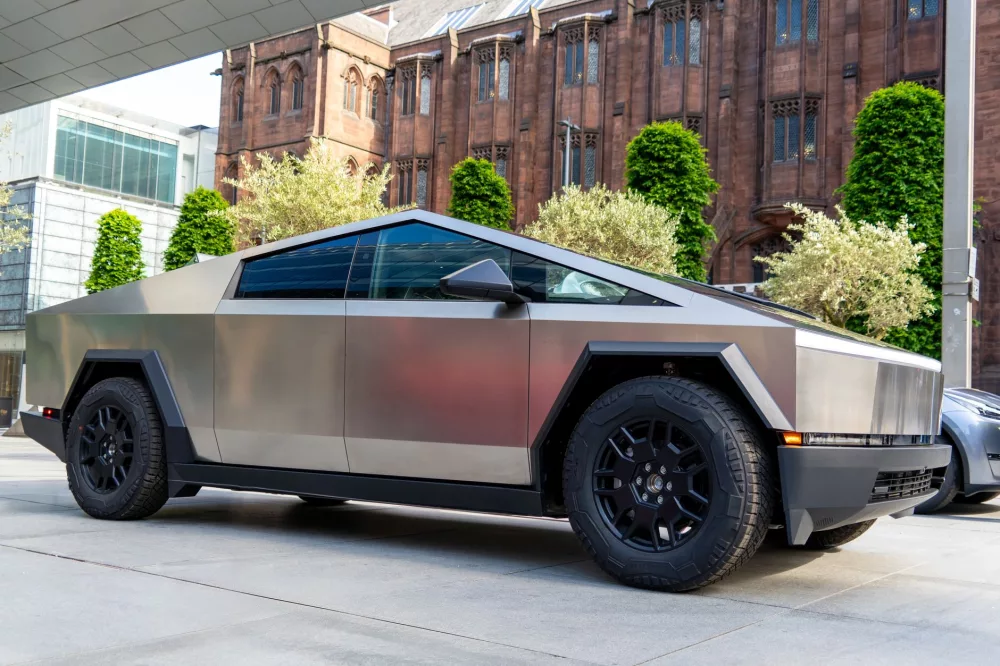
I remember exactly where I was when Elon Musk first unveiled the Cybertruck back in 2019. It wasn't just another electric vehicle; it was this angular, almost alien concept that immediately divided opinions. People either loved its radical design or absolutely detested it. I gotta say, it felt like something straight out of a sci-fi movie I'd watched as a kid. This wasn't your typical pickup, not by a long shot. It looked like nothing else on the road, and that, right there, was its biggest statement. This article is my take on what makes the Cybertruck such a fascinating, and at times, perplexing, machine. We'll explore everything from its controversial styling to its groundbreaking engineering.
Design Philosophy: Breaking the Mold with an Exoskeleton
The Cybertruck’s appearance is, without a doubt, its most defining characteristic. It's built around an ultra-hard 30X cold-rolled stainless steel exoskeleton. This isn't just a styling choice; it's fundamental to its structural integrity. Tesla claims this material eliminates the need for a traditional body-on-frame structure, making the vehicle incredibly durable and resistant to dents and scratches. I mean, we saw them hit it with a sledgehammer during the reveal, remember? While the “armor glass” moment went sideways, the underlying principle of robustness was clear. This brutalist, geometric aesthetic, I think, comes from a desire to redefine what a truck can be, rejecting conventional curves and opting for raw, unpainted metal. It's a bold move, and it certainly makes a statement wherever it goes. It genuinely feels like something designed by someone who thought, "What if we threw out the rulebook?" And honestly, I respect that audacity.
Performance and Capability: More Than Just Looks
Beneath that distinctive shell, the Cybertruck packs a serious punch. Initially announced with three configurations, the current production models offer a dual-motor All-Wheel Drive and the top-tier "Cyberbeast" tri-motor setup. These aren't just for show.
- Cyberbeast: This monster can hit 0-60 mph in a mind-boggling 2.6 seconds, which is faster than many sports cars, not just other trucks. It boasts 845 horsepower and an estimated 320 miles of range. That's absolutely wild for something this big.
- All-Wheel Drive: This variant isn't slouching either, reaching 60 mph in 4.1 seconds with 600 horsepower and a projected 340 miles of range. That's still quicker than a lot of sedans out there.
- Towing: Tesla says the Cybertruck can tow up to 11,000 pounds. That’s competitive with many heavy-duty gasoline trucks, and it's quite impressive for an EV. I wouldn't have expected that level of utility.
- Payload: It can carry a payload of 2,500 pounds in its 6-foot bed, which they call the "Vault." This secure, lockable space is a big selling point for anyone using it for work or serious adventures.
- Air Suspension: The adaptive air suspension allows for up to 16 inches of ground clearance, which I think is pretty crucial for off-roading or tackling rough terrain. This isn’t just a show truck; it’s designed to work. It can raise and lower itself, making loading easier or giving you extra clearance when you need it most.
Interior and Technology: A Minimalist Future
Stepping inside, you're greeted by that signature Tesla minimalism, but on an even grander scale. The cabin feels incredibly spacious, largely due to the panoramic glass roof and the absence of traditional buttons and knobs. Everything is controlled via a massive 18.5-inch touchscreen display in the front and an additional 9.4-inch screen for rear passengers. I personally find this approach both sleek and, occasionally, a bit too reliant on the screen for basic functions. It’s certainly a conversation starter.
- Steer-by-Wire: This system, combined with rear-wheel steering, offers incredible maneuverability, making the large truck feel surprisingly agile. Imagine parallel parking this thing, and it feels like a smaller SUV. It's a game-changer for navigating tight spots.
- Full Self-Driving (FSD) Beta: Like other Teslas, the Cybertruck is equipped with hardware for FSD, with ongoing software updates aiming to deliver increasing autonomous capabilities. The constant evolution of this tech is pretty fascinating.
- Vault Bed: The truck bed, or "Vault," is lockable and features an integrated tonneau cover. It's got power outlets too, which is super handy for tools or camping. They really thought about practicality here.
Practicality and Challenges: A Double-Edged Sword
While its features are compelling, the Cybertruck certainly presents some unique practical considerations. It's not all sunshine and rainbows, you know?
- Size: This truck is big. Its sheer dimensions might be a challenge for urban parking or navigating tight spaces. I know some folks have already commented on that, and it’s a legitimate concern for city dwellers.
- Charging: While the range is good, charging an 800V architecture vehicle efficiently requires robust charging infrastructure, specifically Tesla's V3 or V4 Superchargers. We need more of those, fast.
- Visibility: The unconventional design, particularly the thick C-pillars, has raised some concerns about rear visibility, although the array of cameras helps mitigate this. You're definitely relying on those cameras a lot.
- Market Adoption: Will traditional truck buyers embrace this radical departure from convention? That's the million-dollar question, isn't it? It's not just a truck; it's a lifestyle statement.
Production and Deliveries: The Long Road
The journey from concept to consumer has been, let’s just say, a bit extended. After numerous delays, initial deliveries finally began in late 2023. The production ramp-up has been a hot topic, with Tesla facing challenges in manufacturing the stainless steel body and other components at scale. Getting thousands of these unique vehicles out the door is no small feat. I’m eager to see how Tesla manages to scale this up and meet the huge demand generated by those initial pre-orders. Early owners are sharing their experiences, and it’s always interesting to see how real-world use stacks up against promotional material. We're all watching closely to see how this unfolds.
Impact on the Automotive Industry: A Glimpse into the Future
Regardless of your personal feelings about its aesthetics, the Cybertruck's existence is undeniably disruptive. It has already pushed other automakers to consider bolder designs and more advanced materials for their electric pickups. Ford has its F-150 Lightning, Chevy has the Silverado EV, and Rivian has the R1T, but none of them look anything like the Cybertruck. It forces us to reconsider what a "truck" can look like and what it can do. I believe it's a catalyst for innovation, encouraging a move away from incremental design changes towards genuinely revolutionary approaches. It’s not just a vehicle; it's a conversation starter, a statement about the future of transportation. It certainly isn't for everyone, but its impact is undeniable. I think we'll be talking about this vehicle for years to come, dissecting its influence and what it meant for car design as a whole. It’s certainly got everyone thinking.
So, what do I really make of the Cybertruck? It's a polarizing vehicle, absolutely. It's got undeniable capabilities, from its blistering acceleration to its impressive towing. The interior is futuristic, and the technology is cutting-edge. But it's also got its quirks – that challenging aesthetic, its sheer size, and the manufacturing complexities. What I appreciate most about it, though, is its refusal to conform. Tesla didn't play it safe here; they swung for the fences. Whether it becomes a massive commercial success or a niche icon, the Cybertruck has already etched its place in automotive history as one of the most audacious vehicles ever conceived. It's a bold vision made real, and that, to me, is pretty cool.